Frequently Asked Questions
What is orthodontic dentistry?
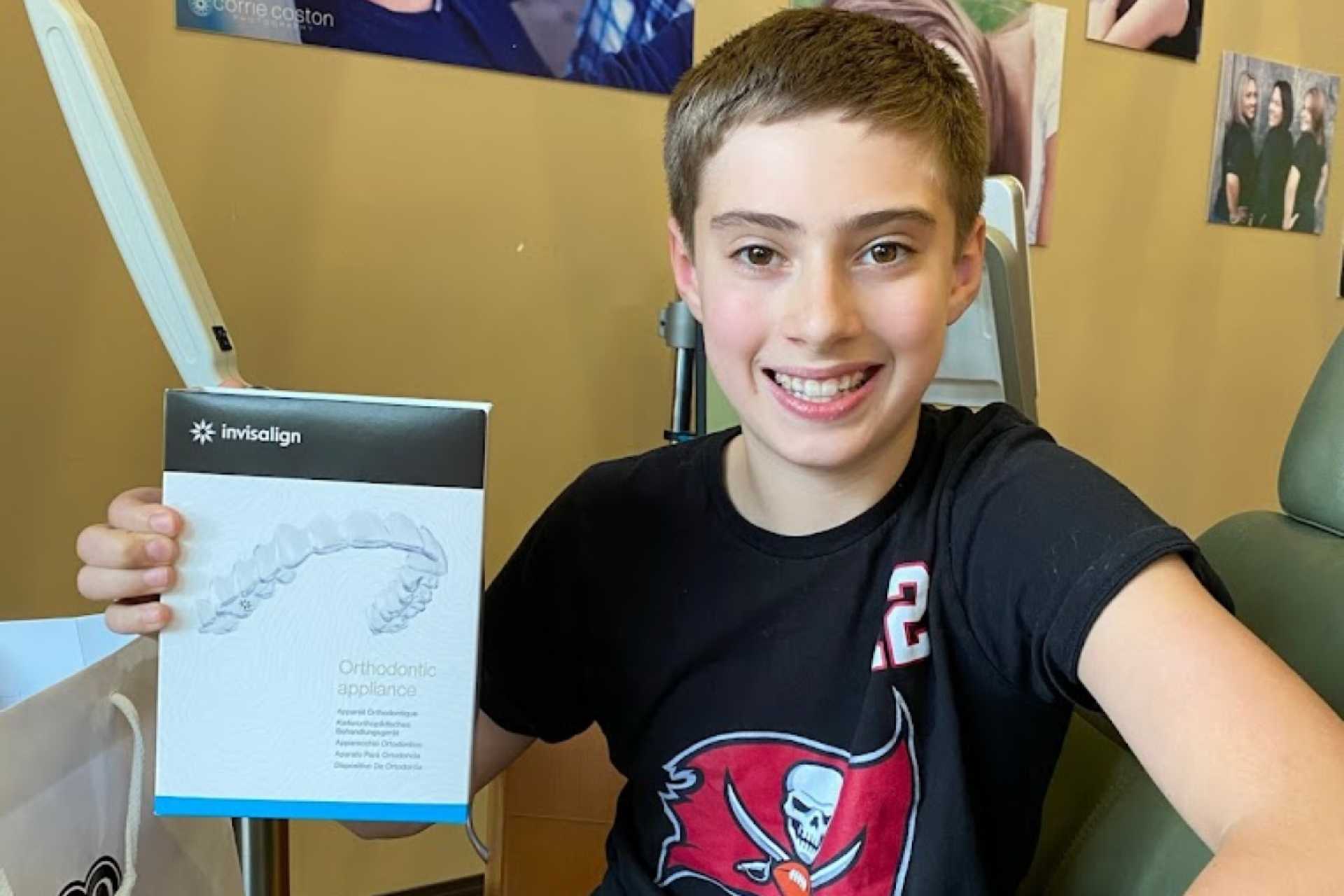
Orthodontic dentistry focuses on correcting dental issues like misaligned teeth and jaws. Treatments include braces, Invisalign, and jaw surgery to improve oral health and create beautiful smiles. Early intervention can prevent more severe problems, ensuring a healthier, more confident smile.
What is a family orthodontist?
A family orthodontist is a dental specialist who provides orthodontic treatment for patients of all ages, including children, teens, and adults. They offer services such as braces, Invisalign, and early orthodontic treatment to address various dental issues and create healthy, beautiful smiles for the whole family.
Do braces fall under child support?
Braces may be covered under child support if specified in the court order. It's essential to review the legal agreement to determine if orthodontic treatment, including braces, is included in the support arrangement. Consulting with a family law attorney can provide clarity on this matter.
Can a divorced parent be forced to pay for braces?
In most cases, divorced parents are legally obligated to contribute to their child's orthodontic treatment, including braces, as part of child support agreements or court orders. However, specifics may vary based on individual circumstances and legal agreements. It's advisable to consult with a family law attorney for personalized guidance.
What falls under orthodontic services?
Orthodontic services include braces, Invisalign, airway orthodontics, orthognathic surgery, and phase 1 early treatment. These treatments cater to correcting dental issues, improving breathing, aligning jaws, and preventing future orthodontic problems. Each service is tailored to individual needs for a healthier, more confident smile.
Is orthodontics only braces?
Orthodontics encompasses more than just braces. Treatments like Invisalign, airway orthodontics, jaw surgery, and early intervention are also part of orthodontic care. Each option addresses specific dental needs for a healthier smile.
Is orthodontics covered by Medicaid?
Orthodontic coverage under Medicaid varies by state. Some states offer limited coverage for orthodontic treatment for children, while others may not cover it at all. It's essential to check with your state's Medicaid program to determine the specific coverage available for orthodontic services.
Is braces orthodontics?
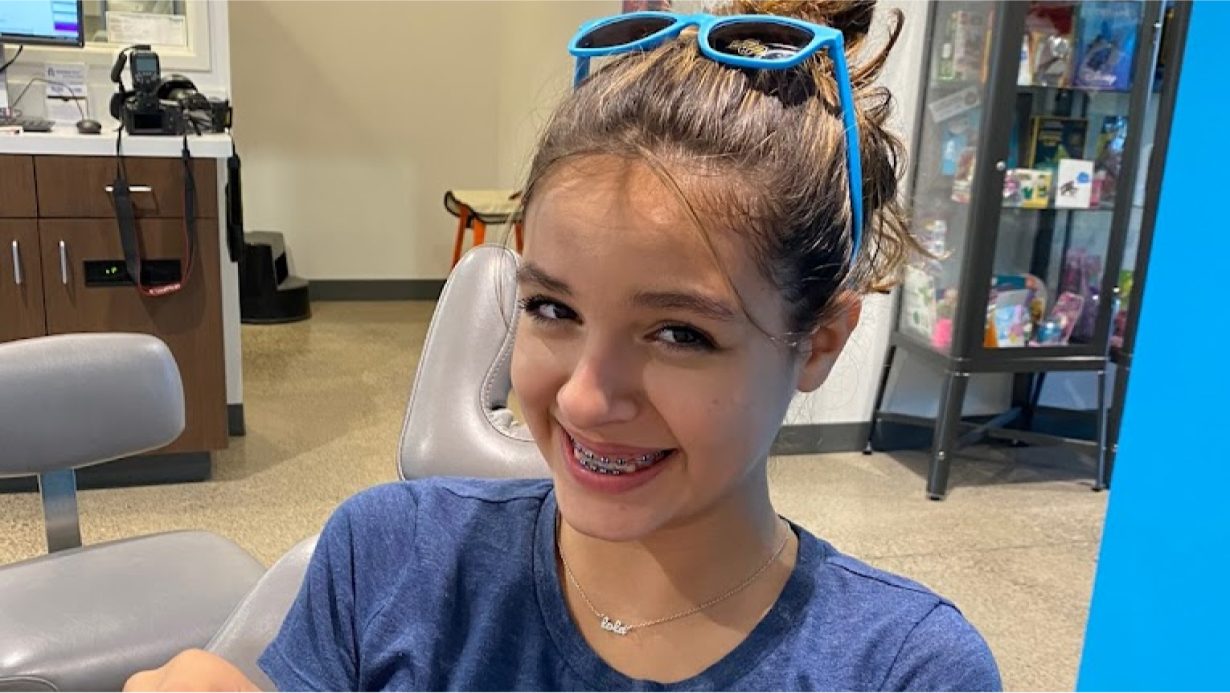
Yes, braces are a common orthodontic treatment used to correct dental issues such as misalignment and spacing. They are a key component of orthodontics, along with other treatments like Invisalign and jaw surgery.
How does orthodontic treatment improve dental health?
Orthodontic treatment improves dental health by correcting misalignments, enhancing oral function, preventing issues like tooth decay and gum disease, and promoting overall well-being. Properly aligned teeth are easier to clean, reducing the risk of oral health problems and improving the longevity of teeth and gums.
What types of braces are available for children?
For children, various types of braces are available, including:
Traditional Metal Braces
Clear Ceramic Braces
Gold Braces
Self-Ligating Braces
Each type offers unique benefits tailored to individual needs and preferences.
Are retainers considered part of orthodontic care?
Retainers are an essential part of orthodontic care. After braces or Invisalign treatment, retainers help maintain the new alignment of teeth. Wearing retainers as prescribed by your orthodontist is crucial to prevent teeth from shifting back to their original positions.
How often should a family visit the orthodontist?
Families should visit the orthodontist every 6-12 months for routine check-ups and adjustments. Regular visits help monitor progress, ensure treatment effectiveness, and address any emerging issues promptly. Following the orthodontist's recommended schedule is crucial for optimal results and maintaining oral health.
Whats the difference between adult and child orthodontics?
Adult orthodontics and child orthodontics differ in treatment duration, complexity, and goals. Adult treatments often focus on aesthetics and may require additional procedures like jaw surgery. Child orthodontics aim to guide jaw growth and tooth alignment for long-term oral health benefits. Both age groups benefit from personalized care plans.
Can orthodontic issues be detected early in children?
Orthodontic issues can be detected early in children through orthodontic evaluations. Early treatment can prevent more serious problems later on, making the overall treatment process easier and more effective. It's essential to consult with an orthodontist to assess your child's dental development and address any concerns promptly.
Are there alternatives to traditional metal braces?
Yes, alternatives to traditional metal braces include Invisalign, clear ceramic braces, gold braces, and self-ligating braces. Each option offers unique benefits and can be tailored to individual preferences and treatment needs.
How do orthodontists customize treatment for each patient?
Orthodontists customize treatment for each patient by assessing individual needs, considering factors like age, dental issues, and lifestyle. They offer various options such as braces, Invisalign, and specialized treatments like airway orthodontics or jaw surgery to create personalized treatment plans for optimal results.
What advanced technologies are used in orthodontic treatment?
Advanced technologies used in orthodontic treatment include:
Invisalign clear aligners for discreet treatment
3D imaging for precise treatment planning
Self-ligating braces for faster results
Digital scanners for accurate impressions
Cone beam CT scans for detailed diagnostics
Can orthodontic treatments fix overbites and underbites?
Orthodontic treatments like braces and Invisalign can effectively correct overbites and underbites by gradually shifting the teeth and jaw into proper alignment. In some cases, more severe issues may require additional treatments like orthognathic surgery for optimal results. Regular consultations with an orthodontist can determine the best course of action for each individual case.
How do invisible braces compare to traditional braces?
Invisible braces, like Invisalign, are removable, virtually invisible, and more comfortable than traditional braces. They allow for easier oral hygiene maintenance but may require more discipline for consistent wear. Traditional braces are fixed, effective for complex cases, and don't rely on patient compliance.
At what age should children have an orthodontic evaluation?
Children should have an orthodontic evaluation by the age of 7, as recommended by the American Association of Orthodontists. Early evaluation helps detect potential issues and allows for timely intervention if needed. Regular check-ups can monitor development and ensure optimal treatment timing.
What financing options are available for orthodontic care?
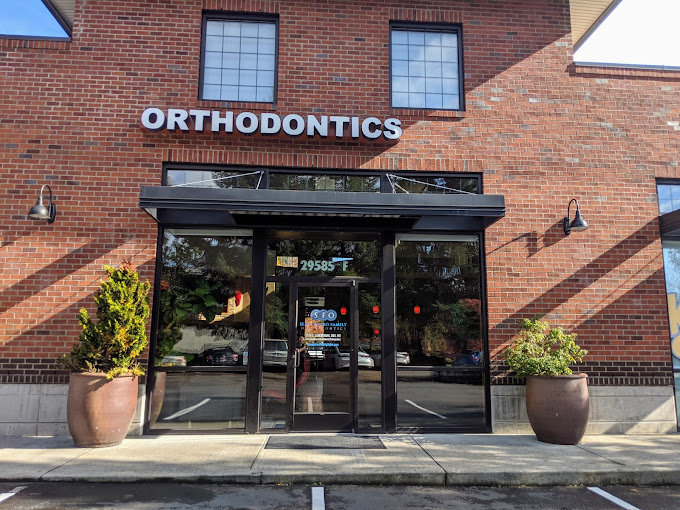
At Senestraro Family Orthodontics in Wilsonville, we offer flexible financing options for orthodontic care. Our team can discuss payment plans, insurance coverage, and third-party financing to help make treatment affordable for you. Contact us to learn more about our financing options tailored to your needs.
How can orthodontics prevent future dental problems?
Orthodontic treatment can prevent future dental problems by correcting misalignments that lead to issues like tooth decay, gum disease, and jaw pain. Proper alignment improves oral health, making it easier to clean teeth, reducing the risk of decay, and enhancing overall dental function and aesthetics.
Can adults benefit from orthodontic treatments too?
Adults can benefit from orthodontic treatments like braces or Invisalign to improve oral health and enhance their smiles. Orthodontic options cater to various needs, offering discreet solutions and personalized care for adults seeking a healthier and more confident smile.
What are the signs of needing orthodontic treatment?
Signs that may indicate a need for orthodontic treatment include crooked teeth, difficulty chewing or biting, speech problems, mouth breathing, thumb sucking, jaw pain, and shifting teeth. If you notice any of these signs, it's advisable to consult with an orthodontist for an evaluation.
Are there orthodontic options for those with allergies?
Orthodontic options like Invisalign can be suitable for those with allergies as they are made of smooth, comfortable plastic, reducing the risk of irritation compared to traditional braces. Consult with an orthodontist to discuss specific concerns and find the best solution.
How do orthodontic treatments impact oral hygiene routines?
Orthodontic treatments can impact oral hygiene routines by requiring extra care to clean around braces or aligners. Patients must brush and floss diligently to prevent plaque buildup, cavities, and gum disease. Special tools like floss threaders or interdental brushes may be needed for thorough cleaning. Regular dental check-ups are crucial during treatment.
Can orthodontics help with TMJ or jaw pain?
Orthodontic treatment can help alleviate TMJ or jaw pain by correcting misalignments that contribute to the condition. Orthodontists can provide solutions like braces or orthognathic surgery to improve jaw function and reduce discomfort associated with TMJ disorders. It's essential to consult with an orthodontist for personalized treatment options.
What are the benefits of early orthodontic intervention?
Early orthodontic intervention can prevent more serious issues, making treatment easier and more effective. It can guide jaw growth, correct harmful oral habits, improve facial symmetry, and create space for permanent teeth. Early treatment sets the foundation for a healthier smile in the future.
How long does a typical orthodontic treatment last?
The duration of a typical orthodontic treatment varies depending on individual needs, but it generally lasts between 18 to 24 months. Factors like the severity of the orthodontic issues, the type of treatment chosen, and patient compliance can influence the length of treatment. Regular appointments and following orthodontist's instructions can help achieve optimal results within the estimated timeframe.
Can orthodontic treatments help with sleep apnea?
Orthodontic treatments, such as Airway Orthodontics, can help improve breathing and potentially alleviate symptoms of sleep apnea by addressing underlying issues like jaw misalignment or narrow airways. Consulting with an orthodontist experienced in airway-focused treatments is essential for personalized care.